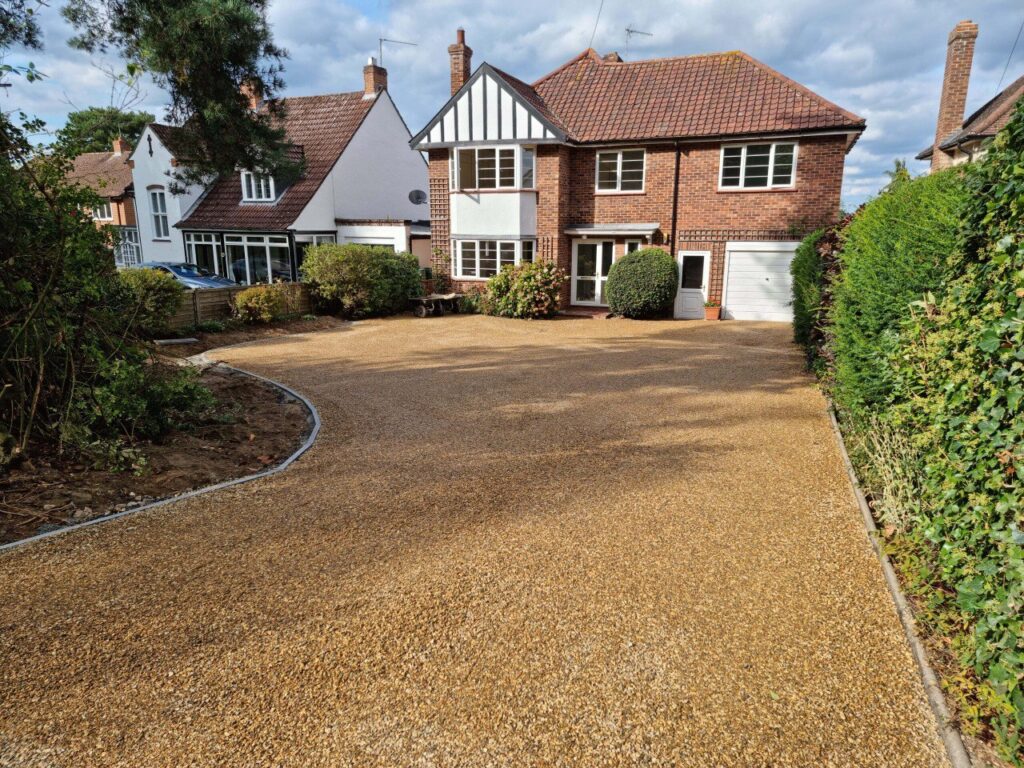
What Makes a Driveway Comfortable and Convenient to Use Every Day?
A driveway is one of the most frequently used parts of a property. It may accommodate vehicles, pedestrians, bins, bicycles, deliveries and access to the garden, often several times each day. Its success therefore depends on much more than appearance.
A comfortable driveway should make parking straightforward, provide stable pedestrian access and manage rainwater effectively. These qualities come from careful planning, suitable groundwork and a surface chosen for the way the space will be used.
The Features of a Practical Everyday Driveway
Sufficient Space for Vehicles and Doors
A parking space may technically accommodate a vehicle but still feel cramped if doors cannot open comfortably. Nearby walls, fences, borders and other parked vehicles must be considered when deciding the driveway width.
The layout should reflect the size and number of vehicles normally using the property. Allowing suitable clearance can make it easier to load shopping, fit child seats and move around the vehicle without stepping onto planting or uneven ground.
A Straightforward Entrance
A narrow, awkwardly positioned or poorly aligned entrance can make every arrival and departure more difficult. The transition from the road to the driveway should provide a clear route without forcing repeated adjustments.
Where space allows, a wider entrance or gently flared approach may improve manoeuvring. The layout should also consider gate positions, boundary features and the angle from which vehicles normally approach.
A Sensible Parking Layout
Convenient parking is not simply about fitting the maximum number of vehicles into an area. Drivers should be able to enter, park and leave without unnecessary obstruction.
A practical layout considers:
- Whether vehicles need to pass one another
- How frequently each vehicle is used
- Whether one vehicle blocks another
- The position of the front door and side access
- Where passengers will enter and leave
- Whether turning space is required
- How deliveries will reach the property
Planning around daily routines creates a driveway that works naturally rather than feeling restrictive.
A Smooth and Stable Surface
An uneven driveway can be uncomfortable to walk across and may cause water to collect in depressions. Loose, rocking or sunken materials can also make wheeled bins, bicycles and pushchairs more difficult to move.
The finished surface depends on the quality of the preparation beneath it. Proper excavation, a stable sub-base and thorough compaction help prevent sinking and movement.
Tarmac, block paving and resin each offer different practical qualities. The most suitable option depends on the site, intended use, desired finish and existing ground conditions.
Suitable Grip Underfoot
A driveway should provide dependable footing during everyday use. Surface texture, gradients and drainage all influence how secure it feels in wet conditions.
Material selection should take account of pedestrian routes as well as vehicle requirements. A surface that is suitable for parking still needs to be installed and finished correctly to provide a consistent walking area.
Regular cleaning also helps prevent moss, algae and debris from making parts of the driveway less comfortable to use.
Clear Pedestrian Access
People should be able to reach the front door, garden or side gate without squeezing between vehicles. A defined pedestrian route can make the frontage easier to navigate, particularly when the driveway is fully occupied.
This route may be created through the layout itself or emphasised with contrasting paving and edging. Transitions should remain smooth to avoid unnecessary steps, lips or changes in level.
Effective Drainage
Standing water affects both convenience and surface condition. Puddles can make it difficult to leave a vehicle without stepping into water, while persistent moisture may contribute to deterioration of the driveway and its edges.
Effective drainage depends on:
- Correct surface falls
- Suitable channels or outlets
- Stable levels without unintended dips
- Clear routes for rainwater
- Careful connections with adjoining paths
- Drainage points that remain accessible for cleaning
These features should be planned before the driveway is installed rather than added after a problem develops.
Manageable Gradients
Some properties naturally require a sloping driveway, but abrupt gradients and poorly formed transitions can make access uncomfortable. Vehicles may scrape at changes in level, while steep or uneven sections can be awkward for pedestrians.
Professional planning can soften transitions and create consistent falls wherever the available space permits. The design must balance convenient access with the need to direct surface water appropriately.
Secure and Well-Defined Edges
Driveway edges help contain the surface and separate parking areas from lawns, paths and planting. Unsupported edges may crack, spread or collapse when vehicles repeatedly pass over them.
Kerbs, blocks or other restraints can strengthen the perimeter while giving the driveway a neat shape. Clearly defined boundaries also help drivers judge parking positions and avoid damaging adjoining garden areas.
Convenient Connections to the Property
Small differences in level between a driveway, path, garage or entrance can create everyday inconvenience. A good design coordinates these areas so that movement between them feels natural.
Particular attention should be given to:
- The route to the front door
- Garage thresholds
- Side gates
- Bin storage areas
- Garden access
- Steps and ramps
- Adjoining patios or paths
Planning these connections together helps the whole outdoor area function as one coherent space.
Straightforward Maintenance
A driveway is more convenient when routine care is manageable. Sweeping away leaves, keeping drainage channels clear and responding promptly to small defects can help maintain a usable surface.
The design itself can make maintenance easier. Accessible drainage points, secure edging and properly finished junctions reduce areas where debris collects or movement begins.
Why Professional Driveway Planning Matters
A comfortable driveway results from the combined effect of layout, groundwork, drainage, surface choice and finishing details. Focusing on only one of these elements can leave the completed area looking attractive but difficult to use.
At Sandy Driveways & Patios, we assess the available space and expected daily use before recommending a suitable design. This allows vehicle access, pedestrian movement and drainage to be considered from the outset.
Conclusion
An everyday driveway should provide adequate parking space, clear pedestrian access, dependable drainage and a smooth, stable surface. Well-planned gradients, secure edges and practical connections to the property can make it considerably easier to use.
If you are planning a new or improved driveway for your property in Sandy, Bedfordshire, contact Sandy Driveways & Patios to arrange an assessment and discuss a practical design for your outdoor space.
Call us on: 01767 661 188
Click here to find out more about Sandy Driveways & Patios
Click here to complete our contact form and see how we can help with your driveway needs.